

Will AI Replace Web Designers?
Learn more

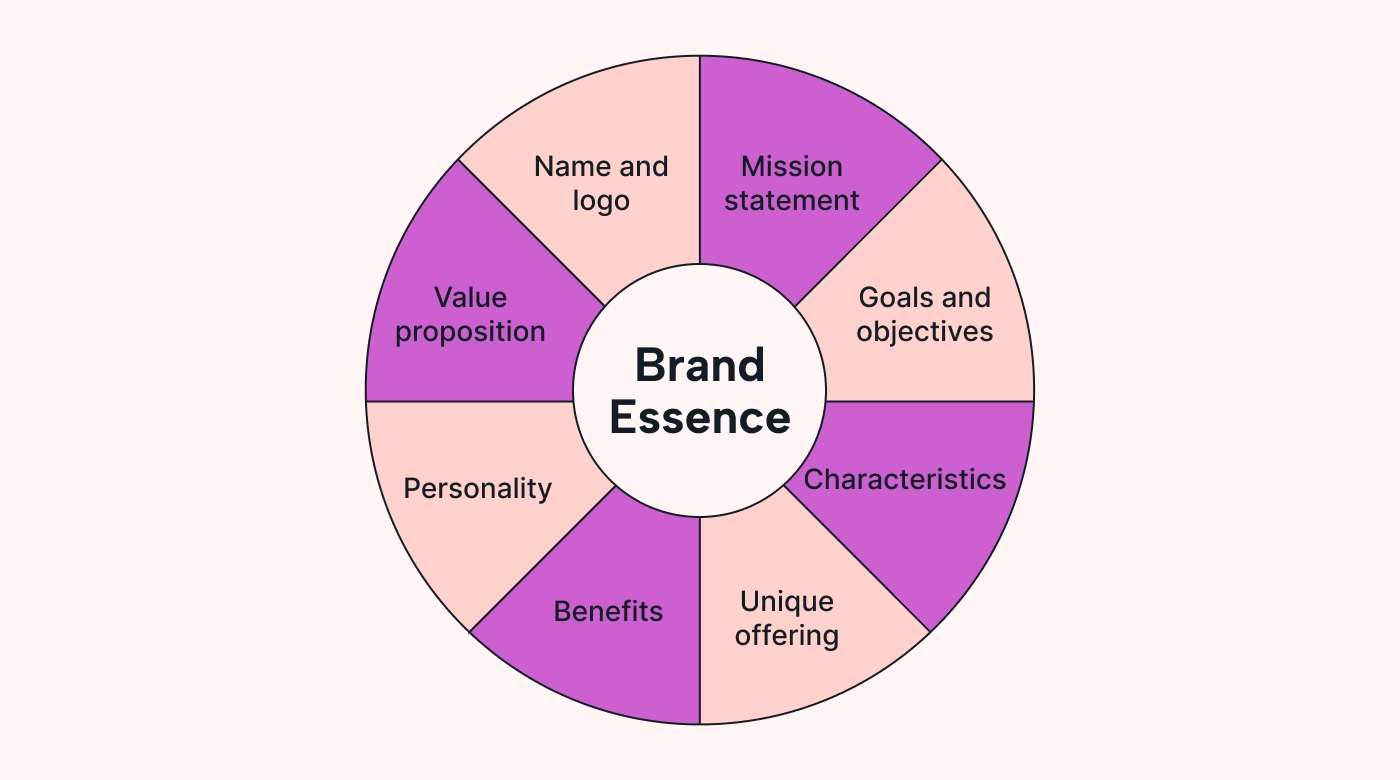
Brand positioning is the strategic foundation that determines how a business is perceived, remembered, and chosen. In a crowded and competitive market, especially within professional and creative industries, a clearly positioned brand allows organisations to communicate value with precision rather than volume.
For brand marketing agencies, understanding how to define and position a brand is not only central to client work—it is essential to demonstrating credibility, strategic thinking, and long-term impact.
Brand positioning is the intentional space a brand occupies in the minds of its target audience relative to competitors. According to Qualtrics, it is not what a brand claims to be, but how it is perceived based on experience, messaging, and consistency.
Effective brand positioning clearly defines:
Positioning is not a tagline or campaign it is a strategic decision that influences every touchpoint, from messaging and design to customer experience and internal culture.
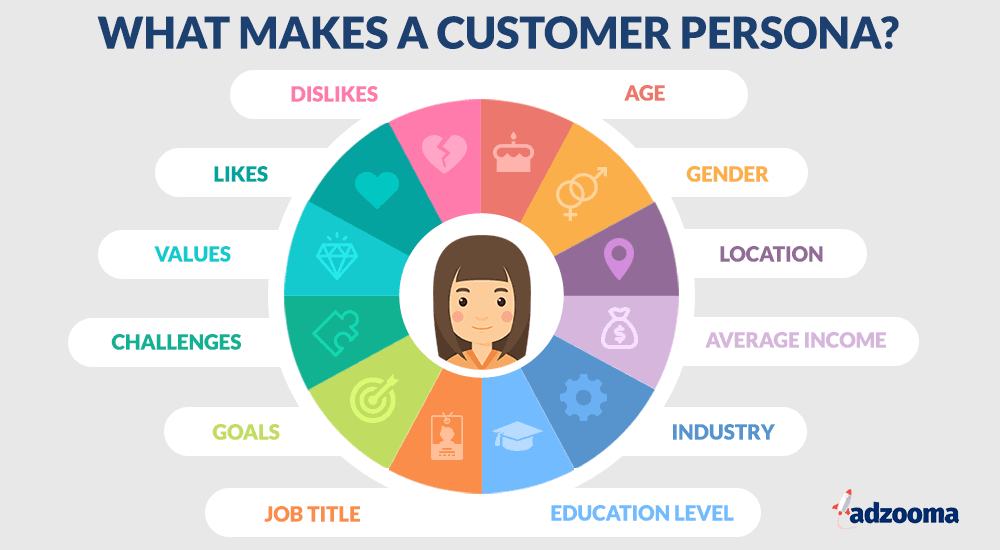
Dilate emphasises that strong brand positioning starts with audience clarity. Brands that attempt to appeal to everyone often fail to resonate with anyone. Defining a target audience requires understanding both demographics and motivations.
Key audience considerations include:
For brand marketing agencies, this step ensures that positioning is grounded in real market demand rather than internal assumptions.
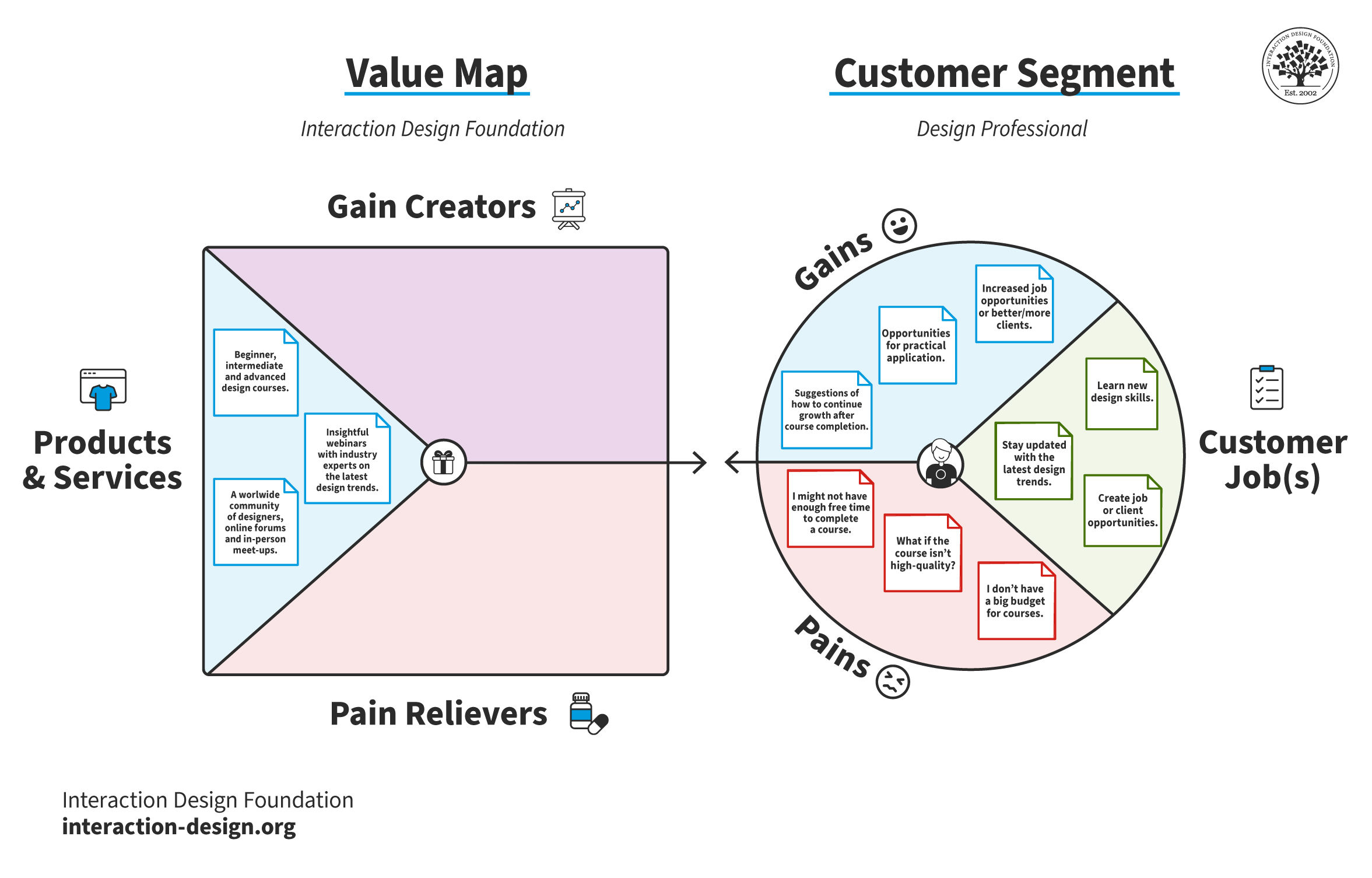
A value proposition articulates why a customer should choose one brand over another. Amazon Advertising defines it as the combination of benefits that differentiate a brand in a meaningful way.
An effective value proposition is:
In Queensland and across Australia, value propositions must comply with Australian Consumer Law by avoiding misleading or unsubstantiated claims. This is particularly important in professional services and regulated industries.
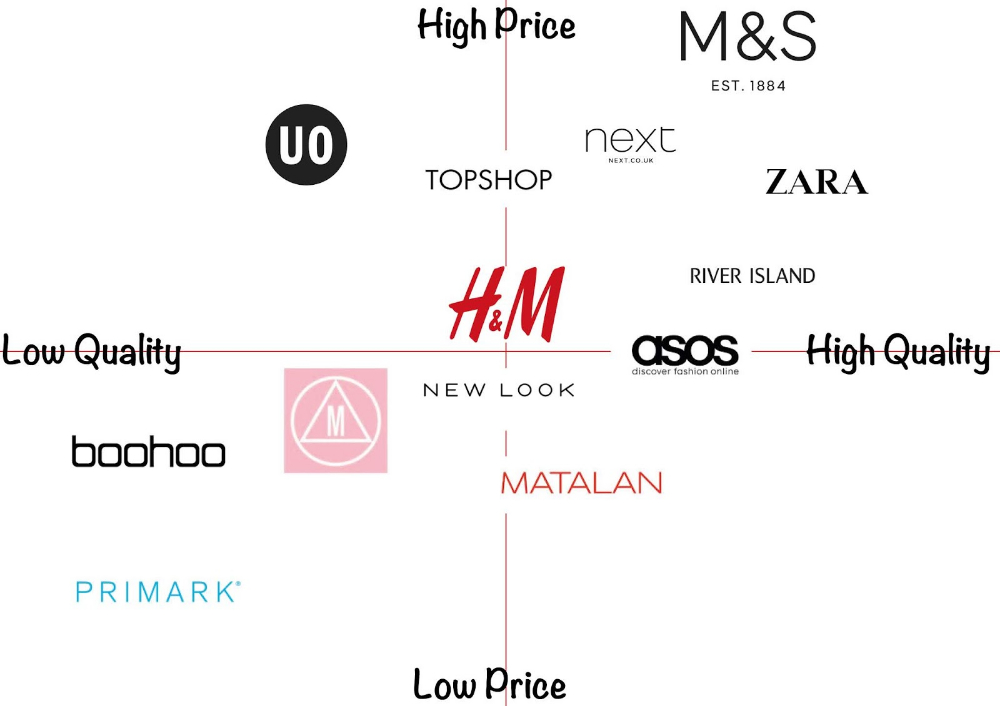
Brand positioning is relative it only exists within a competitive environment. Qualtrics highlights the importance of understanding how competitors are perceived, not just what they offer.
Competitive analysis should consider:
True differentiation often comes from positioning around approach, experience, or outcomes, rather than surface-level features.
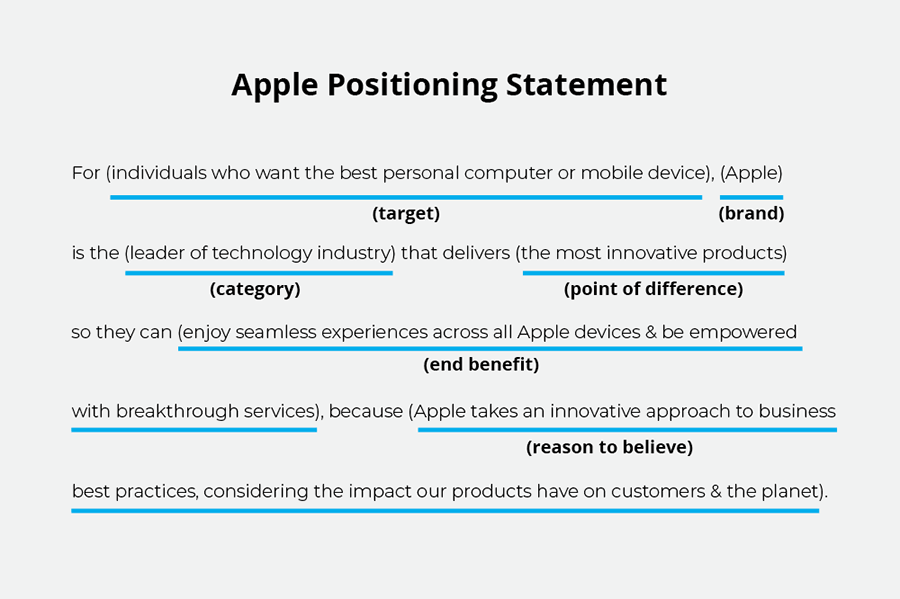
A brand positioning statement is an internal strategic tool that guides decision-making across marketing, sales, and operations. It should be concise, clear, and stable over time.
A common structure includes:
This statement is not typically customer-facing but ensures consistency across campaigns, content, and brand experience.
Positioning must be expressed consistently across visual identity, tone of voice, and customer touchpoints. Dilate notes that inconsistency erodes trust and weakens differentiation.
Key expressions of positioning include:
For marketing agencies, this step demonstrates how strategy translates into tangible brand assets.
![Brand identity - what does it mean? [Models + examples] | Smart ...](https://cdn.prod.website-files.com/67b574b65d16d90e1d754fbe/69683afb5a8f60da80f0487e_Aakers-Brand-identity-model.jpeg)
Brand positioning is not static. Qualtrics highlights the importance of ongoing measurement through perception tracking, feedback, and performance metrics.
Common indicators include:
Regular refinement ensures positioning remains relevant as markets, competitors, and customer expectations evolve.
Defining and positioning a brand is a strategic discipline that combines insight, clarity, and accountability. For brand marketing agencies, mastering this process is essential—not only for clients, but for their own positioning in the market.
A well-positioned brand:
For readers working with architecture practices or other professional services, strong brand positioning provides the clarity and confidence needed to stand out in competitive, regulated markets.








.png)