

Will AI Replace Web Designers?
Learn more

Email marketing has been around for decades, but it remains one of the most effective, measurable, and cost-efficient ways for brands to communicate with their audience. Even as new platforms and trends emerge, email consistently drives high engagement and strong returns making it a core part of any smart marketing strategy.
This article breaks down what email marketing actually is, how it works, why reputable agencies still rely on it today, and how brands of all sizes can use it to build trust, nurture relationships, and generate revenue. We’ll also touch on what the latest industry insights say about email marketing’s value and legitimacy.
Email marketing is the practice of sending targeted, strategic messages to subscribers who have opted in to hear from your brand. It’s a direct communication channel that bypasses algorithms, unstable social trends, and paid media costs. Most importantly, your email list is an owned asset meaning you control it, not a third-party platform.
Bonsai’s overview of email marketing agencies highlights some key reasons why email continues to shape modern marketing:
In short, email marketing is not outdated. It has simply evolved into a more data-driven, targeted, and strategic discipline.
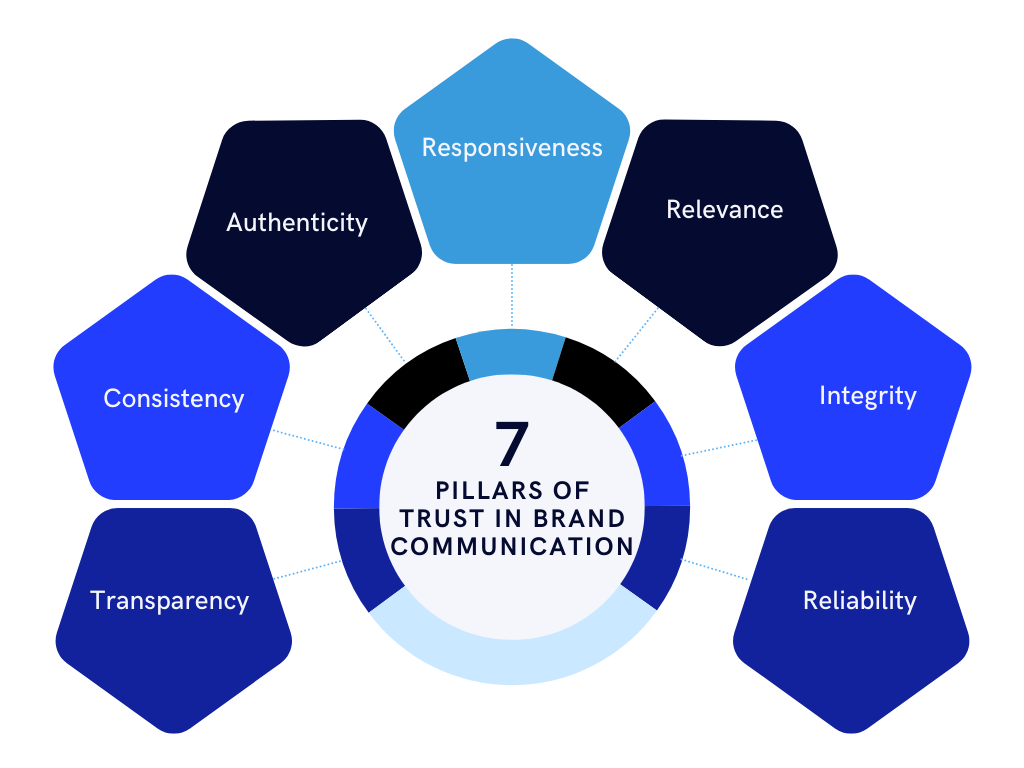
A major theme from SendMails’ insights is that email marketing remains one of the most legitimate, trust-building communication channels when executed properly. That’s because email is direct and permission-based—subscribers choose to receive updates, promotions, or educational content from you.
Email supports credibility in several ways:
Brands can stay present without overwhelming their audience, using scheduled newsletters, updates, or lifecycle emails.
Emails tailored to user behaviour or preferences—such as recommended products, reminder triggers, or onboarding content—feel more human and helpful.
Emails allow brands to speak with clarity, explain offers, share expertise, and maintain an authentic voice. Over time, this builds trust and reinforces brand values.
SendMails notes that well-crafted emails signal professionalism. A polished design, proper sender authentication, and good list hygiene show that a brand is credible and secure.
An effective email program combines creativity, data, automation, and user experience. Based on industry insights and agency practices, here are the foundational components that matter most:
Your contact list should come from opt-ins—not purchased databases. Strong lists are built through:
This ensures you’re engaging people who actually want to hear from you.
Modern email tools allow brands to categorise subscribers by:
Segmentation improves open rates, click-through rates, and long-term loyalty.
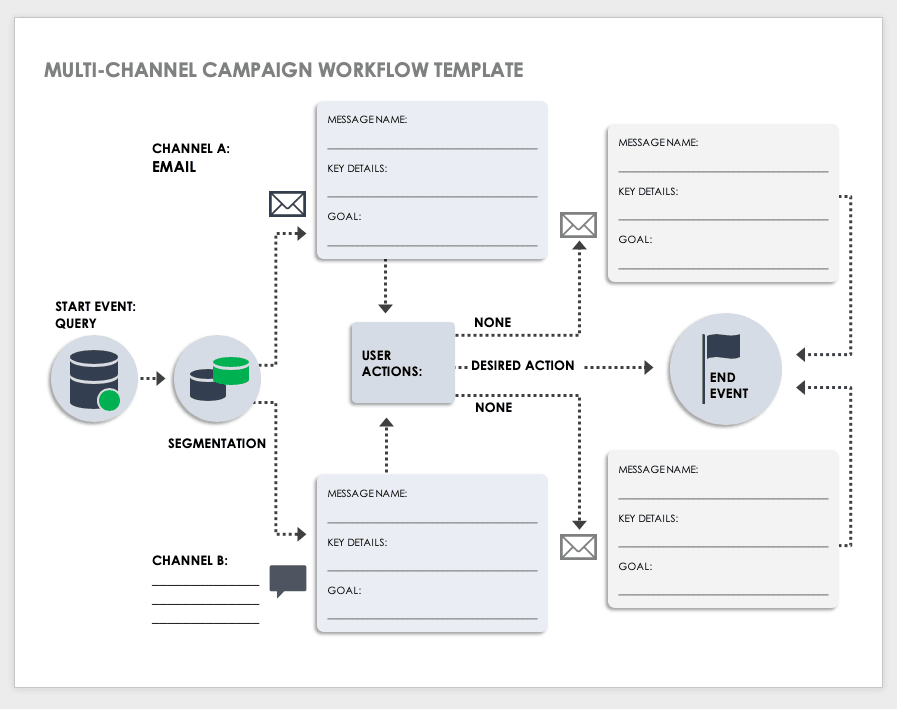
Automated email workflows save time while delivering consistent, timely content. Examples include:
These automated paths guide subscribers smoothly through the digital marketing funnel.
Effective content is clear, valuable, and aligned with brand strategy. This includes:
Storytelling and personalisation can significantly improve engagement.
A/B testing and analytics help refine:
Data-driven decisions create better campaigns over time.
Clue’s platform guide makes one point very clear: the right Email Service Provider (ESP) depends on your business size, goals, and internal capabilities. Each platform offers different features, workflows, and integrations.
Here’s a simplified snapshot of what to consider:
Some platforms are beginner-friendly, while others are built for advanced teams needing deeper segmentation and analytics.
Look for platforms that allow event-based triggers, complex workflow mapping, and customer lifecycle management.
Drag-and-drop builders, dynamic content blocks, and mobile-friendly templates streamline production.
Good platforms integrate with:
This ensures smooth data flow.
Costs vary based on subscriber count, email volume, and advanced features. Choosing the right platform early can minimise migration headaches later.
Popular platforms include:
Clue notes that selecting a platform with robust reporting and automation is essential for agencies and businesses wanting to measure campaign performance effectively.
Many businesses turn to email marketing agencies because the channel requires consistent management, testing, and technical setup. Bonsai’s guide outlines several responsibilities agencies typically handle:
Mapping the customer journey, defining content pillars, and setting campaign goals.
Organising lists into meaningful groups to improve relevance and performance.
Developing templates, writing copy, and building mobile-responsive layouts.
Creating workflows for lead nurturing, onboarding, and lifecycle-based messaging.
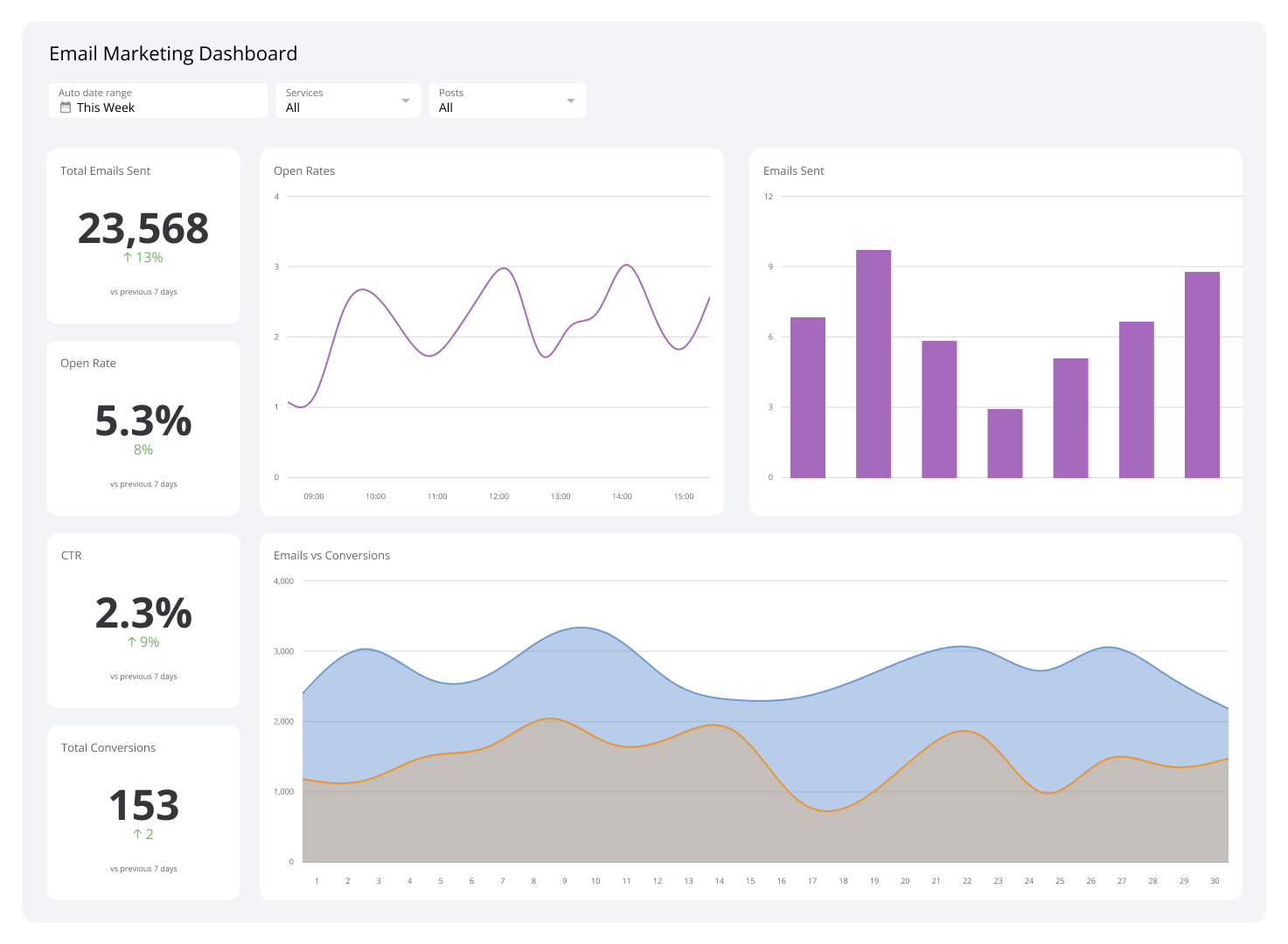
Tracking open rates, click rates, conversions, and ROI to refine future campaigns.
Monitoring list hygiene, spam compliance, sender reputation, and inbox placement.
For growing brands, an agency brings the structure, expertise, and bandwidth needed to run a professional, high-performing email program.
Email marketing remains one of the most powerful and reliable channels for engaging your audience, earning trust, and generating measurable growth. With the right mix of automation, segmentation, personalised content, and strategic planning, it offers long-term value that outperforms many other digital tools.
For brands especially those in architecture, design, or built-environment industries email can showcase project updates, share insights, nurture leads, and strengthen brand presence with a professional, consistent voice.
If you're exploring how to build or improve your email marketing strategy, consider partnering with a specialised agency or integrating a platform that matches your goals. Starting early helps you grow a list that becomes one of your most valuable business assets.






.png)