

Will AI Replace Web Designers?
Learn more

Artificial intelligence is rapidly transforming the digital landscape. From content generation and image creation to coding assistance and website builders, AI-powered tools are becoming increasingly capable of automating tasks that once required significant human expertise. As these technologies continue to evolve, many businesses and creatives are asking the same question: Will AI replace web designers?
The short answer is no—but it is changing the profession.
AI has already begun reshaping how websites are planned, designed, and developed. Modern tools can generate layouts, write copy, create imagery, suggest design improvements, and even build functional websites from a simple prompt. However, web design is about far more than assembling pages. Effective websites require strategy, user experience design, branding, accessibility, business insight, and human creativity.
This article explores the growing role of AI in web design, examines what AI can and cannot do, and discusses why skilled web designers remain essential in creating websites that perform, engage users, and achieve business goals.
AI has quickly become one of the most influential technologies in the digital industry. Website platforms now offer AI-assisted design tools that can automatically generate layouts, recommend content structures, and create visual assets.
The reference articles highlight how AI is helping designers automate repetitive tasks while accelerating project delivery. Instead of manually building every page from scratch, designers can now use AI to create initial concepts, generate code snippets, and streamline content production.
Current AI capabilities include:
These innovations allow designers to spend less time on repetitive production work and more time on strategy, creativity, and user experience.

AI's greatest strength lies in automation. It can process information quickly, identify patterns, and generate outputs based on existing data.
Today, AI can assist with:
Many website platforms can generate complete layouts based on simple prompts. These systems analyse design trends and produce structures that follow established best practices.
AI writing tools can create:
Image generation tools can produce:
AI coding tools help developers by generating:
These capabilities significantly improve efficiency and reduce production time.
However, while AI can generate outputs quickly, it often lacks the deeper understanding required to create truly effective websites.

AI excels at automating repetitive design and development tasks.
One of the most important points raised in the reference material is that web design extends far beyond visual layouts.
A successful website must consider:
AI can create a website structure, but it cannot fully understand the unique goals, audiences, and competitive advantages of a business.
For example, two architecture firms may require entirely different websites despite offering similar services. One may target luxury residential clients, while another focuses on commercial developments. Their messaging, imagery, navigation, and conversion strategy would all need to reflect different business goals.
This level of strategic thinking remains firmly within the domain of human designers.

7
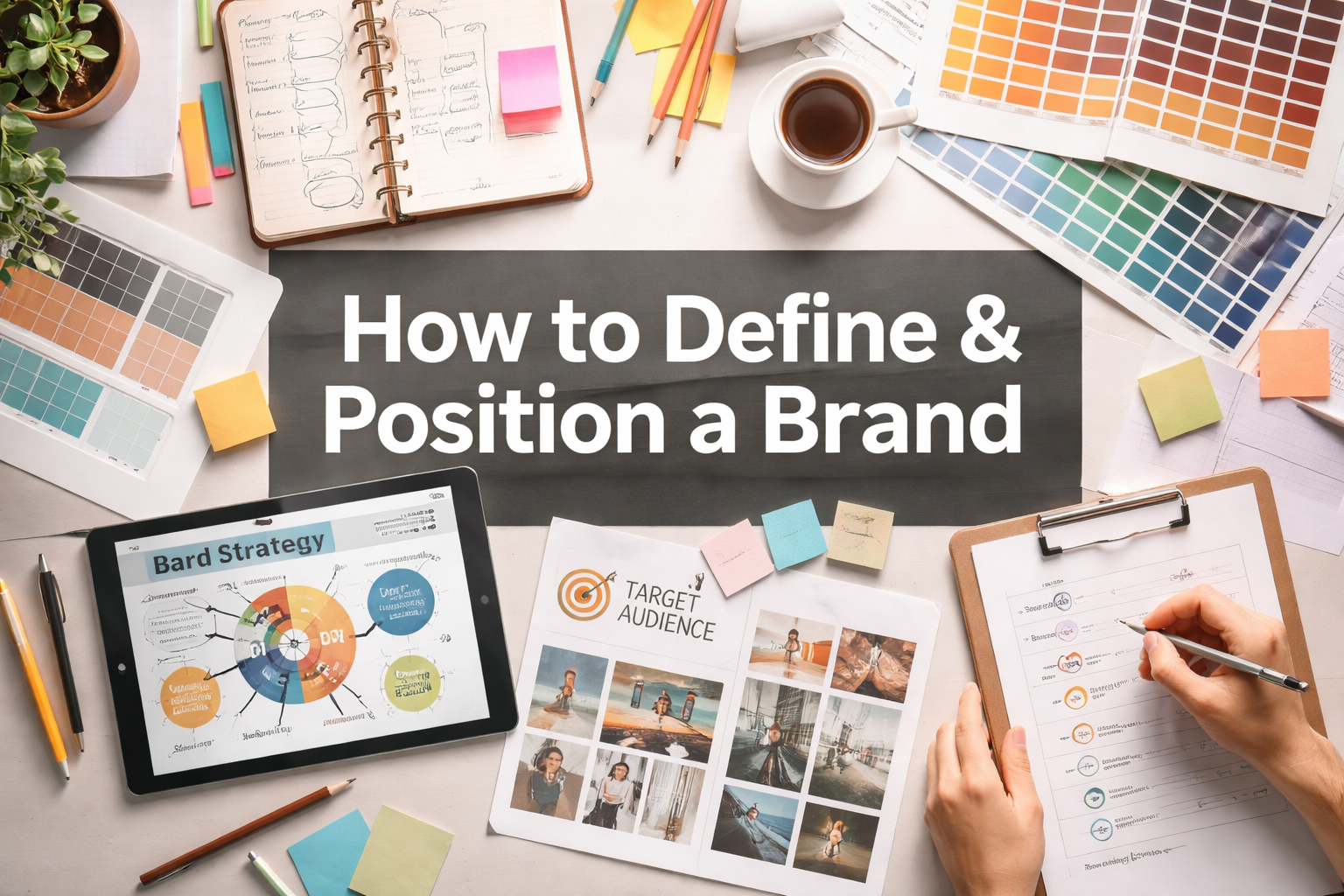
Caption: Effective web design requires strategic thinking that extends beyond visual aesthetics.
Creativity remains one of the strongest arguments against complete AI replacement.
AI generates content by analysing existing information and identifying patterns. It does not possess genuine creativity, intuition, or original thought.
Human designers contribute:
The reference articles consistently emphasise that AI is best viewed as a tool rather than a replacement for creative professionals.
Design trends evolve because designers push boundaries and introduce new ideas. AI generally follows patterns rather than creating entirely new directions.
Businesses seeking unique brand identities still rely heavily on human creativity to differentiate themselves from competitors.

One of the most challenging aspects of web design is understanding human behaviour.
User experience design focuses on:
While AI can analyse data and identify trends, it struggles to understand emotional responses, context, and nuanced human interactions.
Human-centred design requires empathy. Designers must understand:
This understanding helps designers create experiences that feel intuitive and engaging rather than merely functional.
For businesses focused on lead generation, sales, or customer engagement, user experience often has a greater impact on results than visual design alone.

Websites must meet more than aesthetic requirements. They also need to satisfy legal, ethical, and technical standards.
In Australia, businesses should consider:
For Queensland businesses, websites must comply with broader Australian regulations surrounding privacy and consumer rights.
AI-generated websites may overlook important compliance considerations if not properly reviewed by experienced professionals.
Human oversight remains essential when addressing:
These areas require judgement and accountability that AI cannot currently provide independently.

Rather than replacing designers, AI is transforming how they work.
Much like previous innovations such as content management systems, responsive design tools, and no-code platforms, AI is increasing efficiency while changing workflows.
Modern web designers are increasingly focusing on:
AI handles many production-focused tasks, allowing designers to concentrate on higher-value activities.
This shift is likely to continue as AI capabilities improve.
The future web designer will not compete against AI. Instead, they will learn how to leverage AI effectively while providing the strategic thinking and creativity that machines cannot replicate.

For business owners, the key question is not whether AI can build a website—it can.
The more important question is whether an AI-generated website can effectively represent a brand, attract customers, and achieve business goals.
AI tools may be suitable for:
However, businesses seeking:
will often benefit significantly from working with experienced designers and digital marketing professionals.
The most successful websites typically combine technology with human expertise rather than relying entirely on automation.

So, will AI replace web designers?
While AI is becoming increasingly capable and will continue transforming the web design industry, it is unlikely to fully replace professional designers. AI excels at automation, efficiency, and data processing, but it lacks the creativity, empathy, strategic thinking, and business understanding required to create truly effective digital experiences.
Instead of replacing designers, AI is becoming a powerful tool that enhances productivity and streamlines workflows. The future of web design is likely to be collaborative, with designers using AI to improve efficiency while focusing on the human-centred aspects of design that machines cannot replicate.
For businesses looking to create websites that not only look good but also deliver measurable results, human expertise remains an essential part of the process.






.png)